


3 visual signs that your tires need to be replaced - How to prevent accidents on the road
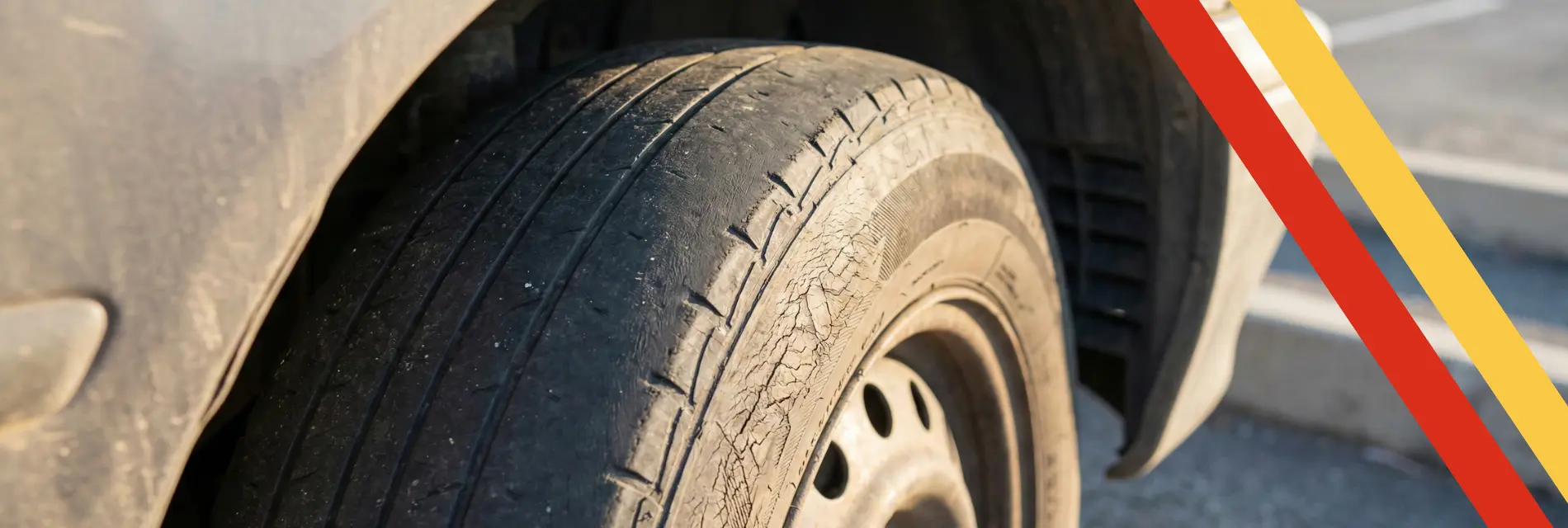
Your tires don't always give a clear warning before they become dangerous. In Canada, tire manufacturers consistently cite three warning signs: bulges, visible cracks, and excessive tread wear. If you notice any of these problems, your tires are probably at the end of their useful life.
Why is it crucial to monitor the condition of your tires in Canada?
Between spring potholes, extreme temperature fluctuations, and abrasive/deicing products, tires in Canada don't have it easy. Even with proper maintenance, they are not designed to last indefinitely. Ignoring signs of wear can affect traction, increase braking distances, and increase the risk of punctures or blowouts.
According to several manufacturers (Michelin, Continental, and Bridgestone), a visibly damaged tire must be replaced, even if the tread still appears acceptable. The priority is to minimize the risk of accidents and ensure your safety in your vehicle.
Sign #1: Bulges on the sidewall of the tire
What exactly is tire swelling?
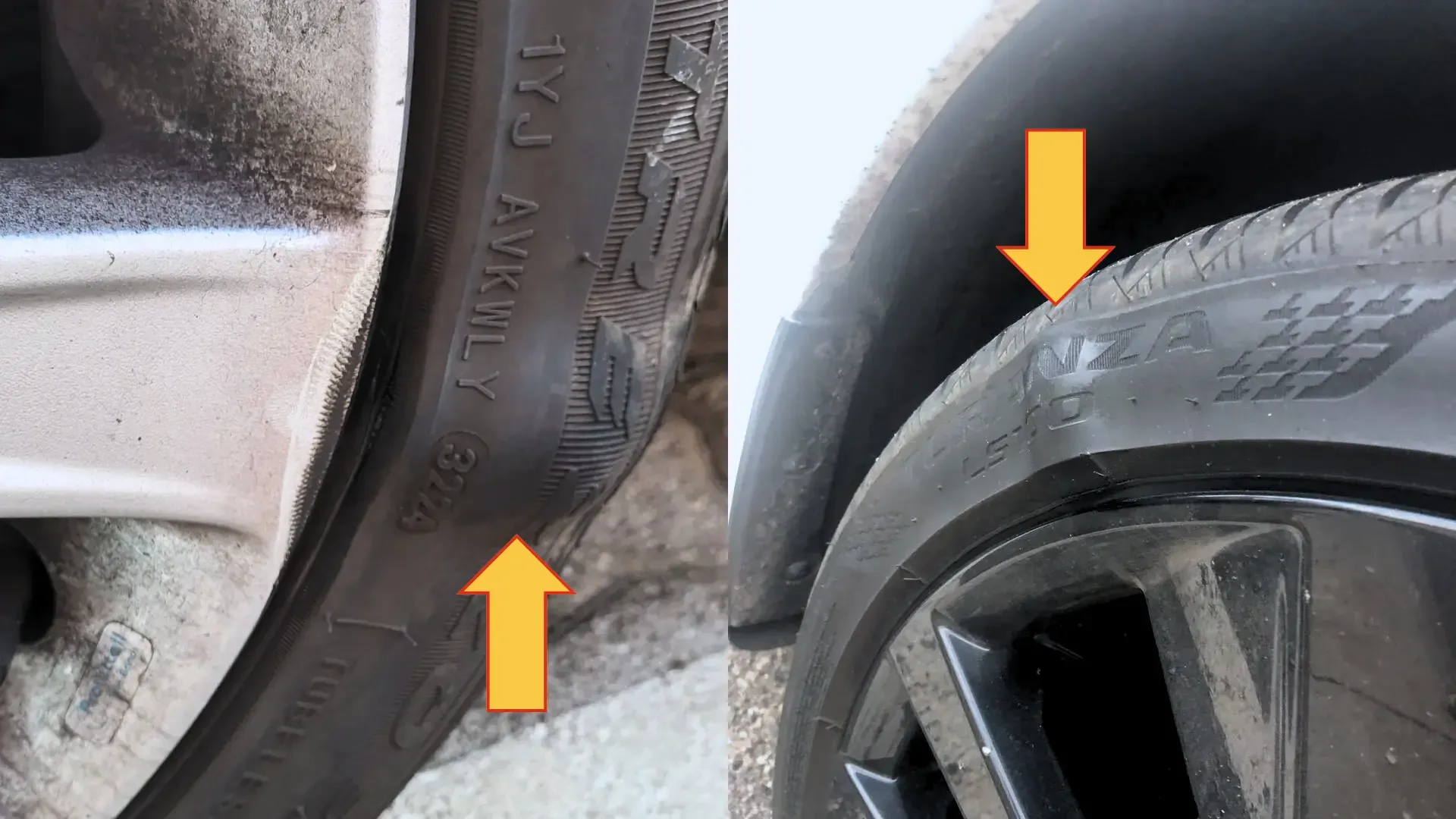
A bulge or bump appears when an impact, often from a pothole or curb, damages the internal structure of the tire. The cables that maintain the shape of the tire partially give way, allowing air to push outward and creating a bubble (a weakness).
Driving on a tire with a bulge is strongly discouraged. To get to the nearest garage, make sure you drive at a slow and controlled speed, install your spare tire, or use a towing service.
A tire with a bulge can explode at any time and is extremely dangerous for you and other road users. Avoid highways at all costs.
Why swelling is a serious problem
A tire with a bulge:
-
is structurally weakened and dangerous
-
can burst without warning, especially on the highway
-
cannot be safely repaired
👉 Simple rule : If you see any swelling, the tire must be replaced immediately, without exception.
Sign #2: Cracks, splits, and torn rubber
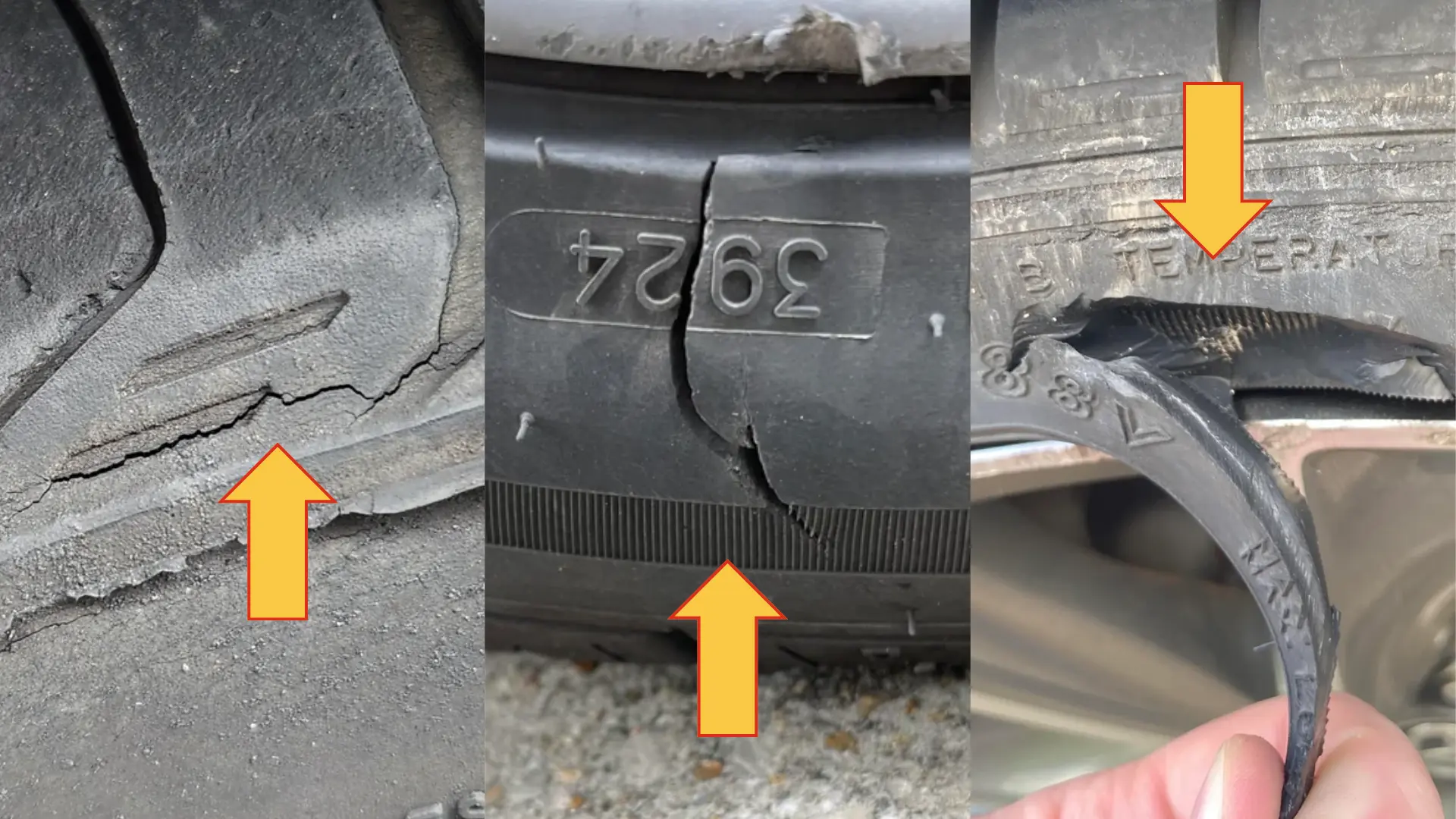
What cracks and cuts on a worn tire look like
Cracks and dryness on rubber often appear on the sidewalls or between the tread grooves due to aging, sun exposure, and temperature changes. They may be minor at first, but will widen over time.
Hitting a pothole or curb can also cause tears in the rubber, even if the tire is almost new.
The most common causes of cracks and cuts on tires
-
Natural aging of rubber
-
Prolonged exposure to sunlight (UV rays)
-
Impact on potholes or curbs
-
Long periods without driving (parked vehicle)
-
Extreme temperature changes (winter/summer)
-
Improper storage (uncontrolled humidity, excessively cold temperatures, etc.)
Inspect the damage visually
You must replace the tire immediately if you notice any of the following:
-
visible wires, cords, or internal structure
-
deep cut on the sidewall
-
bulge that appeared after impact
-
slow or sudden loss of pressure
-
unusual vibrations while driving
Even if the tire does not have a lot of mileage, the rubber can harden and lose its elasticity if it is old and constantly exposed to sunlight and temperature changes.
Furthermore, a tire with visible cracks no longer responds properly to braking or emergency maneuvers, especially on snowy, cold, or wet roads. Not to mention the risk of explosion or puncture while driving.
Sign #3: Tread is too thin
Why tread is essential
The tread serves to:
-
evacuate water, snow, and slush
-
maintain traction
-
reduce the risk of hydroplaning
When the depth decreases, the tire quickly loses effectiveness, even if it “still looks okay.”
Important: If you see any deformities, threads, cords, or other internal structures other than rubber on your tire, you need to replace your tires.
Recommended minimum depths in Canada
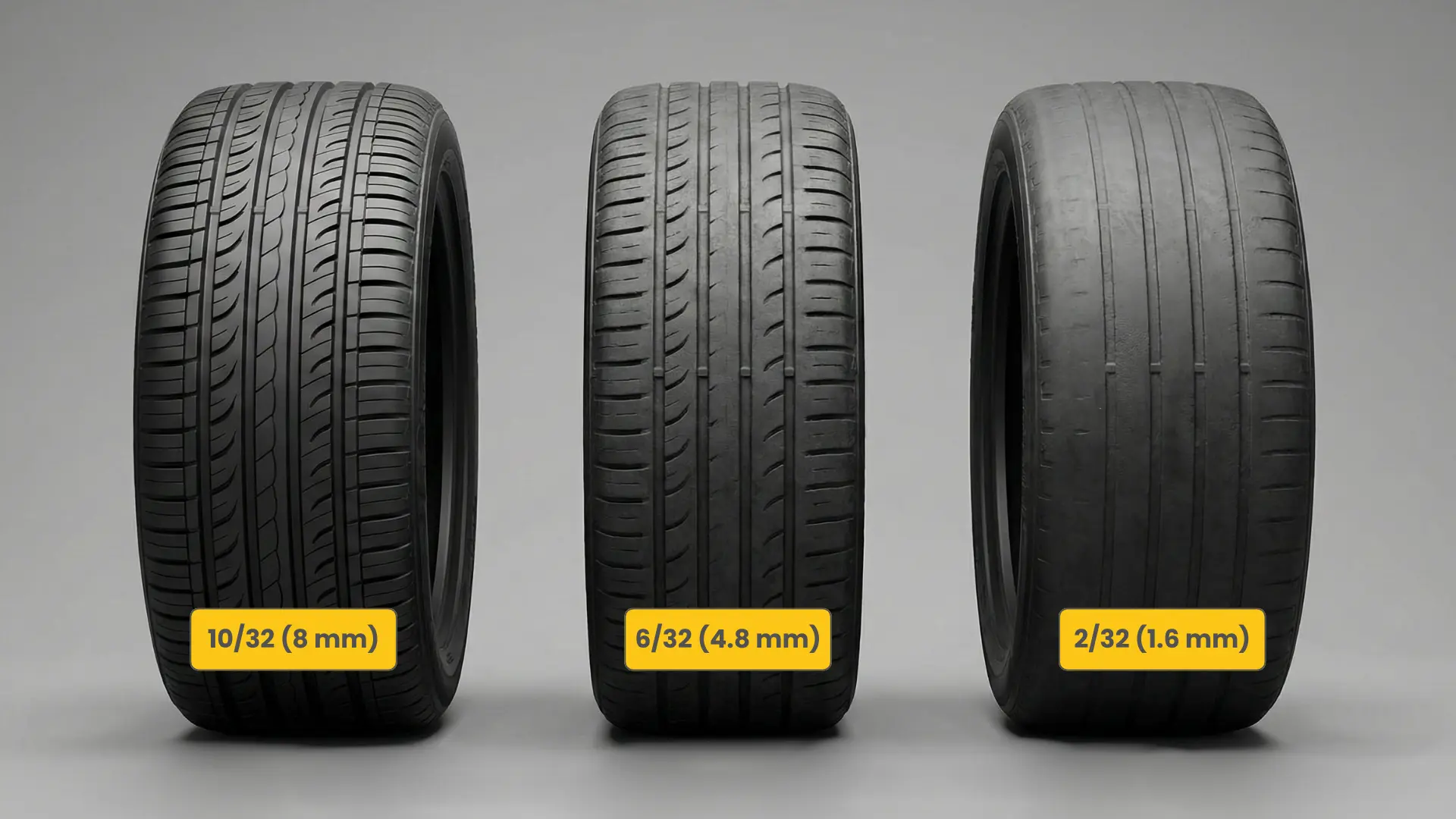
You can use a tire tread depth gauge to find out how much life is left in your tires or even the famous quarter test. In general, a new tire will have a tread depth of 8 to 9 mm.
In most Canadian provinces, the legal tread depth limit is 1.6 mm (2/32 in.). However, it is recommended that you replace your tires before reaching this threshold for better performance and safety on the road.
- Summer or all-season tires: replacement strongly recommended below 3.2 mm (4/32 in.)
- Winter tires: Transport Canada suggests replacement below 4 mm (5/32 in.) to maintain adequate traction on snow.
Here is a visual example of several levels of depth on a tire:
How to choose your new tires?
If your tires show signs of bulging, cracking, or excessive tread wear, you should probably replace them soon. Acting early can often prevent dangerous situations or emergency replacements.
PMCtire can guide you in choosing tires that are right for your situation based on your vehicle, budget, and priorities.
Take advantage of our promotion and save 10% on orders of $500 or more - Use promo code 10%OFF.
Use our vehicle or size search tool to find the perfect tires for your needs.
FAQ – Signs of tire wear in Canada
Can a cracked tire still be used?
Sometimes, yes. But that doesn't mean it's safe. The presence of cracks, even minor ones, indicates that the rubber is deteriorating and that you should consider replacing your tires.
Can you drive with a slight bulge or bubble temporarily?
No. Even a small bulge indicates irreversible internal damage. Your tire is at risk of exploding with every small impact it receives.
At what age does a tire become unsafe?
According to several manufacturers, a tire should be inspected for weaknesses 5 to 6 years after its date of manufacture, regardless of mileage or number of years of use. A tire that was manufactured more than 10 years ago should be replaced immediately.
To find out the age of your tires, learn how to read the DOT.